Cornish hedgerows and why they matter
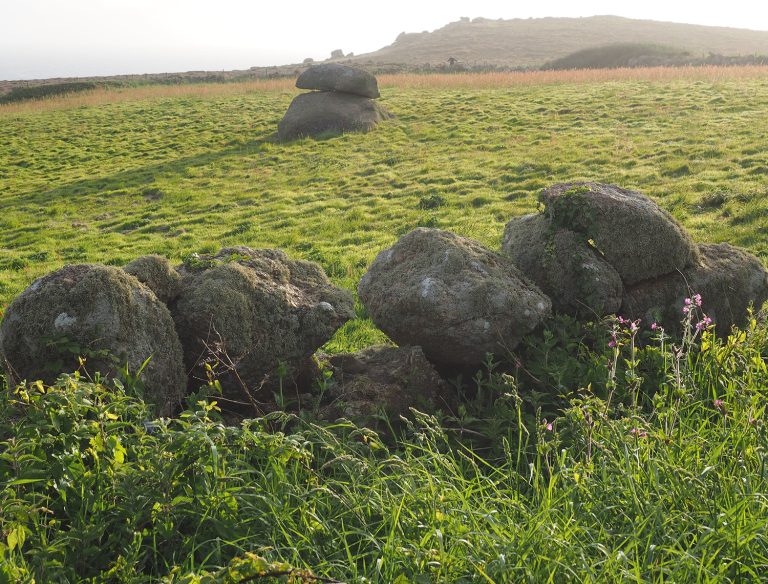
Some of Cornwall’s oldest hedgerows have stood for thousands, of years. Built by hand from local stone and topped with living plants, they have quietly shaped the Cornish landscape for generations, though many people pass them daily without realising their history or importance.
Ancient Cornish hedgerows are far more than field boundaries — they are living habitats, historic landmarks and a core part of Cornwall’s identity. Unlike typical British hedges, they are earth and stone structures supporting mosses, lichens, wildflowers, ferns and grasses. Birds nest within them, insects shelter year-round, and mammals use them as corridors through the countryside. They also support biodiversity, reduce soil erosion, slow rainwater to limit flooding, store carbon, and connect fragmented habitats. Culturally, each hedge reflects generations of local knowledge and skilled craftsmanship.
Many admire Cornwall’s countryside without realising its appearance depends on these ancient boundaries. Once understood, a hedgerow becomes more than a line of green — it becomes a home for wildlife, a historical record, and living evidence of traditional building techniques.
Despite surviving centuries, hedgerows face growing pressure from development, land-use change, declining repair skills, severe weather and invasive species. Loss is often gradual — gaps appear, wildlife moves on, stonework collapses — and once lost, rebuilding is costly and slow. Hedgerows can be saved when communities, landowners, conservation groups and local organisations work together, with traditional hedge-building skills still being taught across Cornwall.
Our group — ceramicists, painters, printmakers and textile artists — believes creativity can strengthen people’s connection to place, revealing hedgerows’ hidden histories and ecological importance.
Get involved: visit exhibitions, join guided walks, volunteer with local organisations.